












History
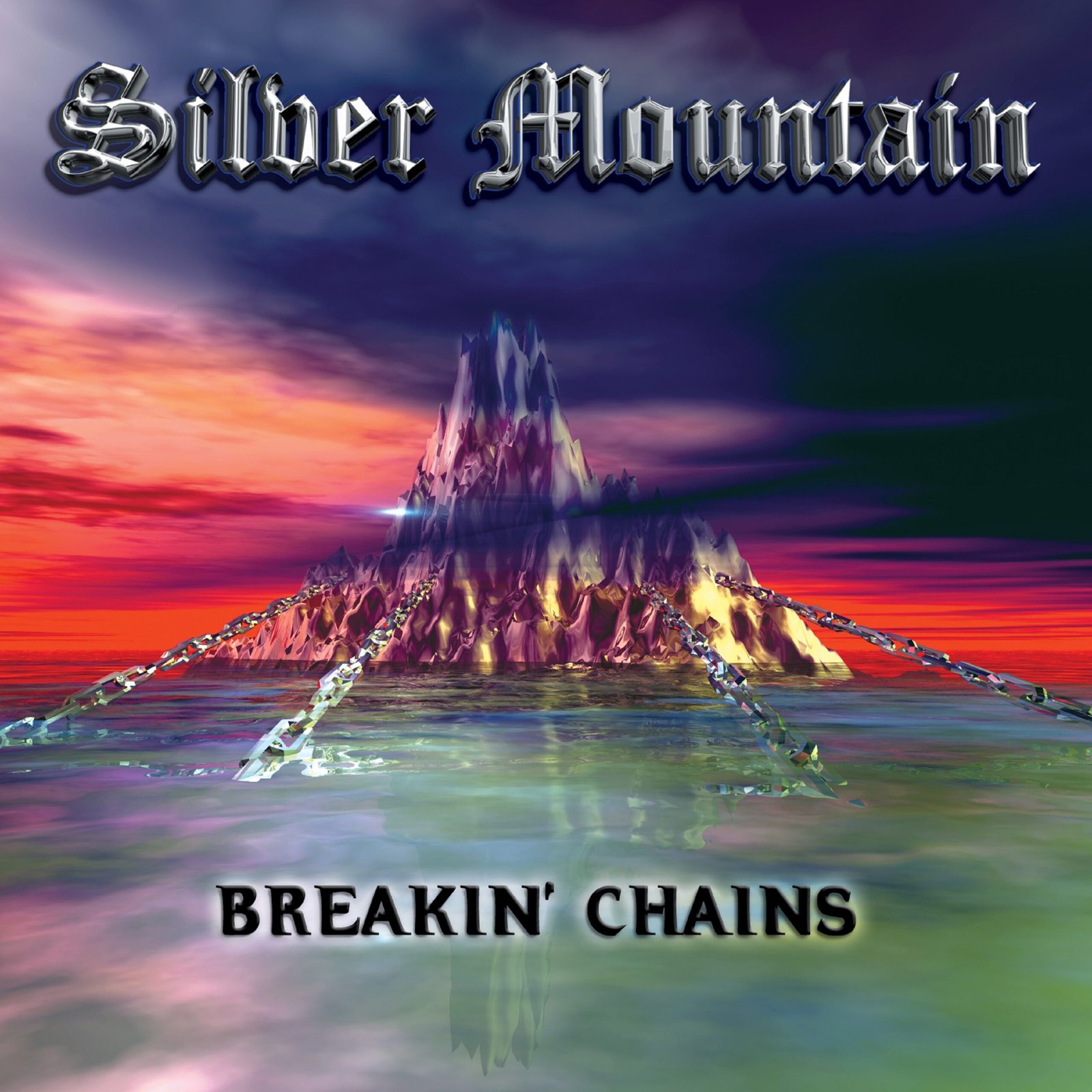
SILVER MOUNTAIN Liner Notes for Breakin’ Chains
Many of you who have picked up this CD will remember a time when the mere mention of a new heavy metal band from Sweden sent a thrilling electric shock through the metal community. Swedish metal had its own unmistakable character — a unique blend of creativity, explosive energy, raw power, unforgettable riffs, and soaring melodies. And make no mistake: that sound, that identity, owes much of its origin and legacy to Silver Mountain.

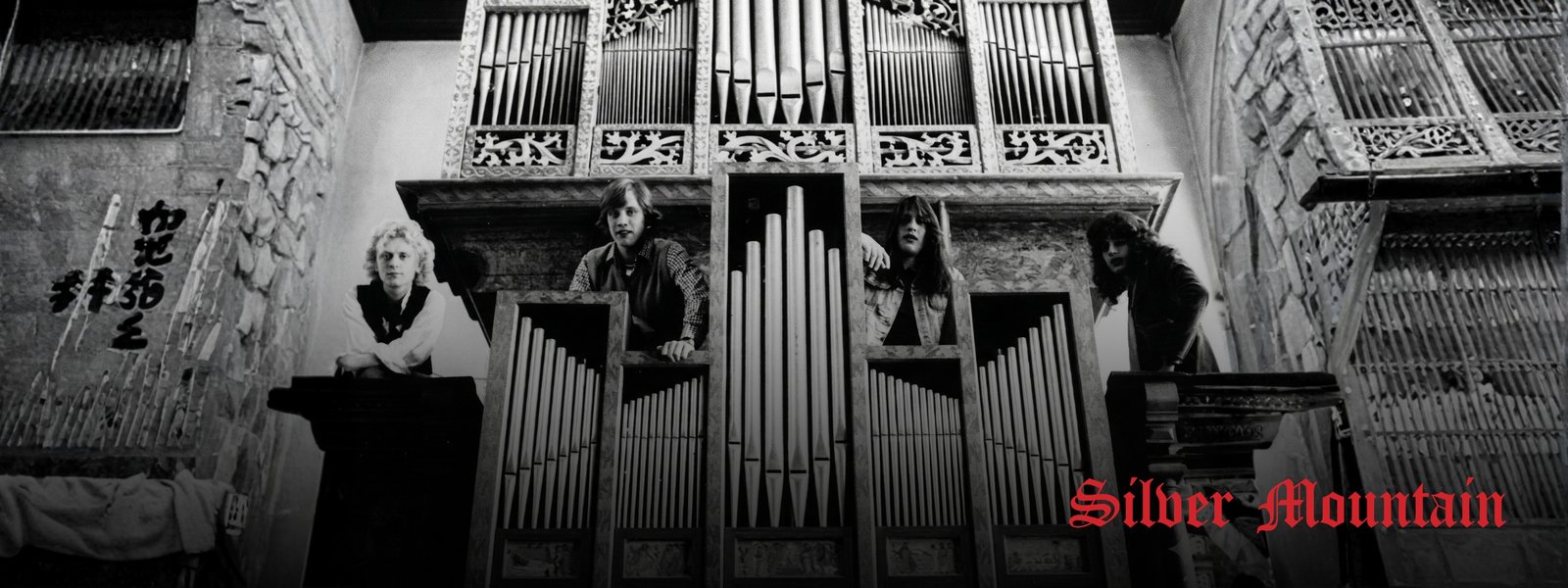
In the early 1970s, hard rock bands such as November showed that Sweden could rock. Yet at the time, the international spotlight on Swedish music was dominated by pop acts like ABBA. It wasn’t until the early 1980s that the Swedish hard rock and heavy metal movement began carving out its own identity and setting new standards.
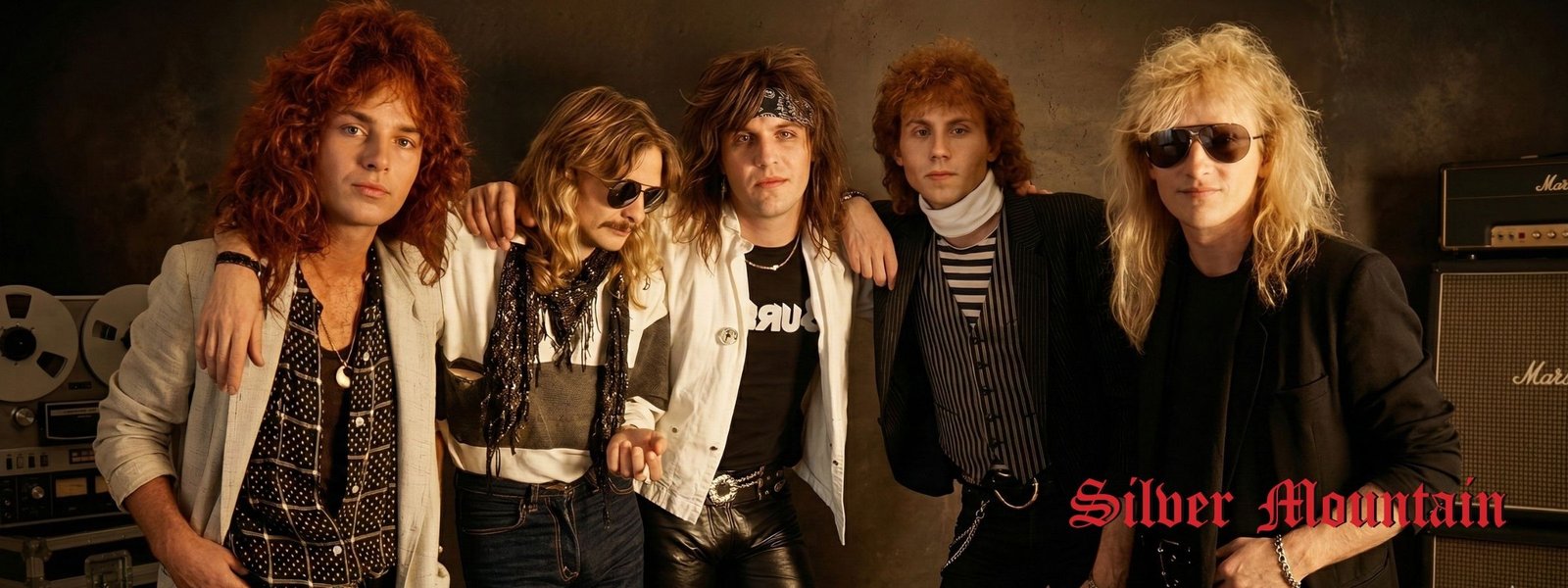
No band defined that moment more clearly than a young Swedish four-piece called Silver Mountain.
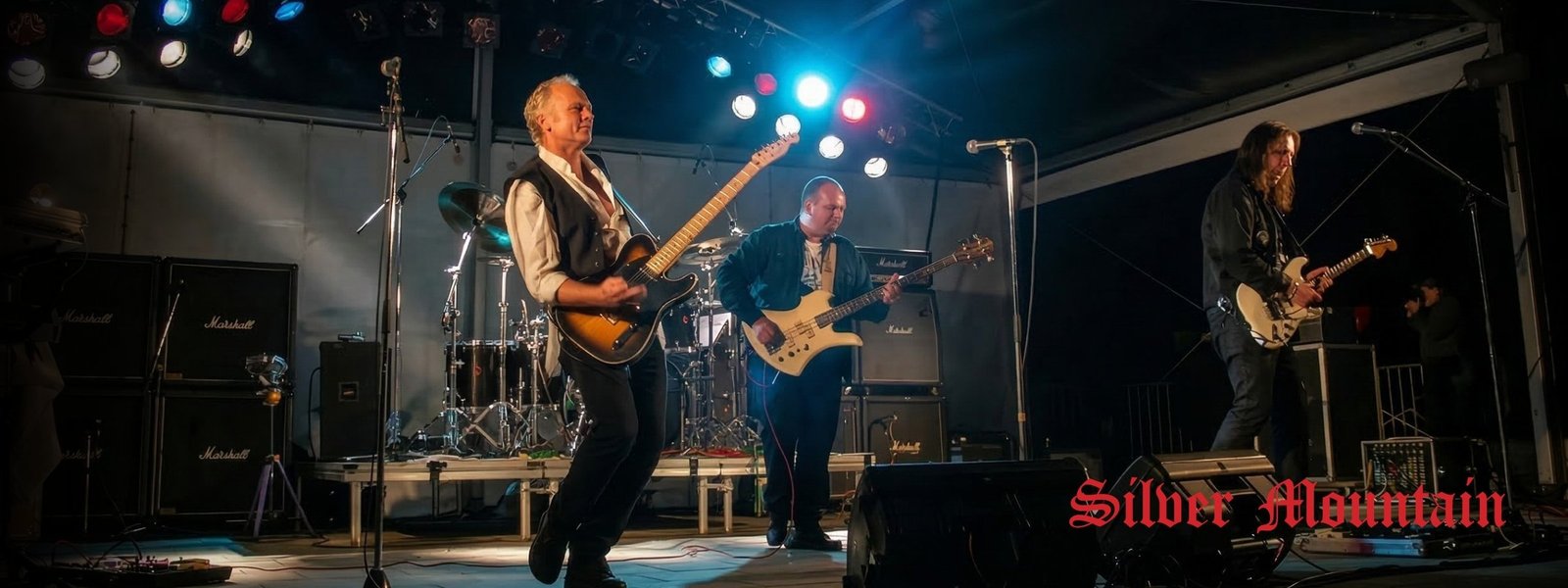
Formed in the late 1970s by guitar virtuoso Jonas Hansson, whose influences ranged from Rainbow to the emerging New Wave of British Heavy Metal, Silver Mountain quickly climbed the ladder of the European metal scene. Within a few short years they had become pioneers of the Swedish metal explosion during a decade when heavy metal ruled the planet.
To Swedish metal, Silver Mountain were what Metallica were to the United States and Iron Maiden were to England — trailblazers who helped define an entire generation of music.
I still remember hearing their debut recordings for the first time. Free from restrictive labels and categories, the music was simply phenomenal hard rock. Many of us had already heard their early demo tapes circulating among metal fans alongside demos from bands like Metallica and Mercyful Fate.
The underground metal press was buzzing. Fanzines such as Metal Rendezvous, along with mainstream outlets like Kerrang!, quickly picked up on the excitement surrounding the band.
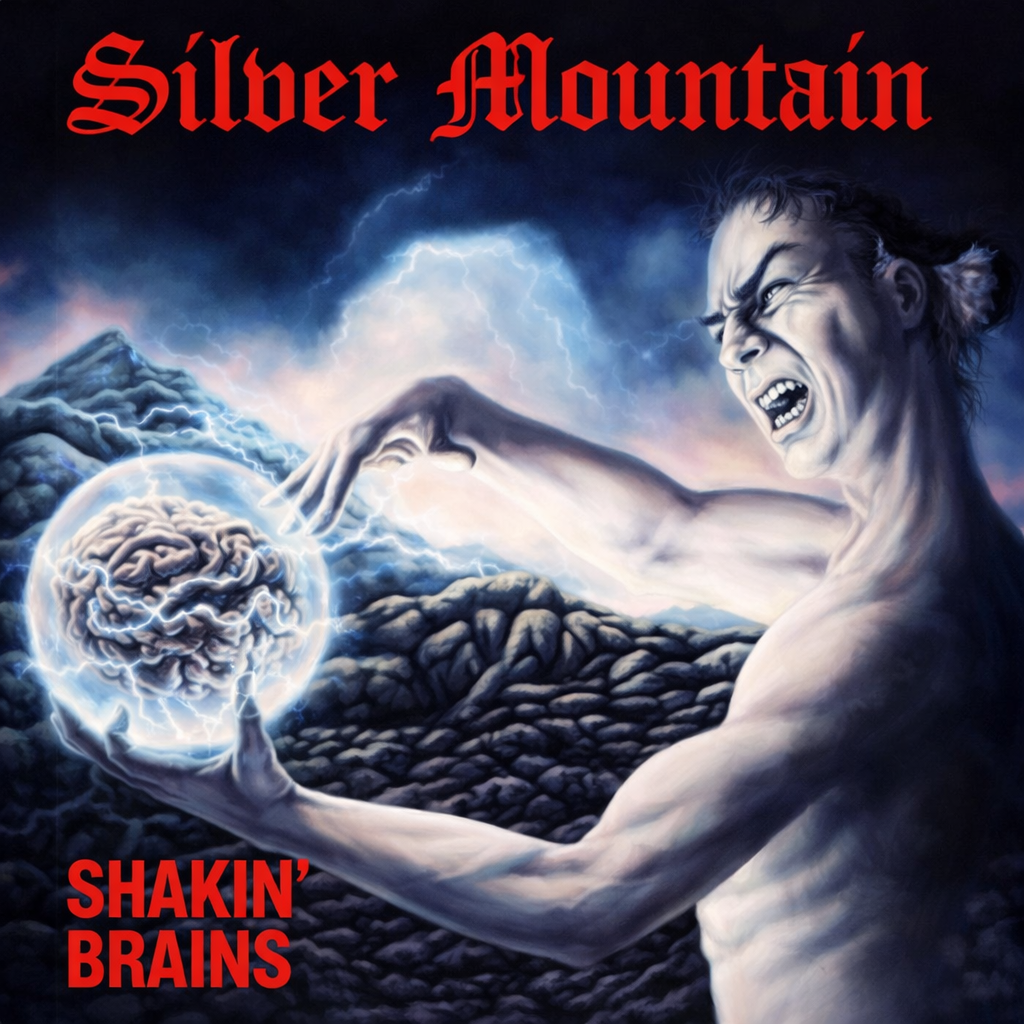
Then in 1983 came the moment many fans had been waiting for: the release of their debut album Shakin’ Brains. Holding that record for the first time felt like a dream realized.
The album instantly became a cornerstone of the Swedish heavy metal movement. With its spontaneous energy, uncompromising delivery, and unmistakable “Swedish sound,” it broke down barriers and proved that hard rock greatness no longer belonged solely to Britain or America.
Tracks like “Aftermath,” “Always,” and “Vikings” became classics.
Musically, the four members of Silver Mountain were masters of their craft.
- Jonas Hansson’s guitar work bordered on genius.
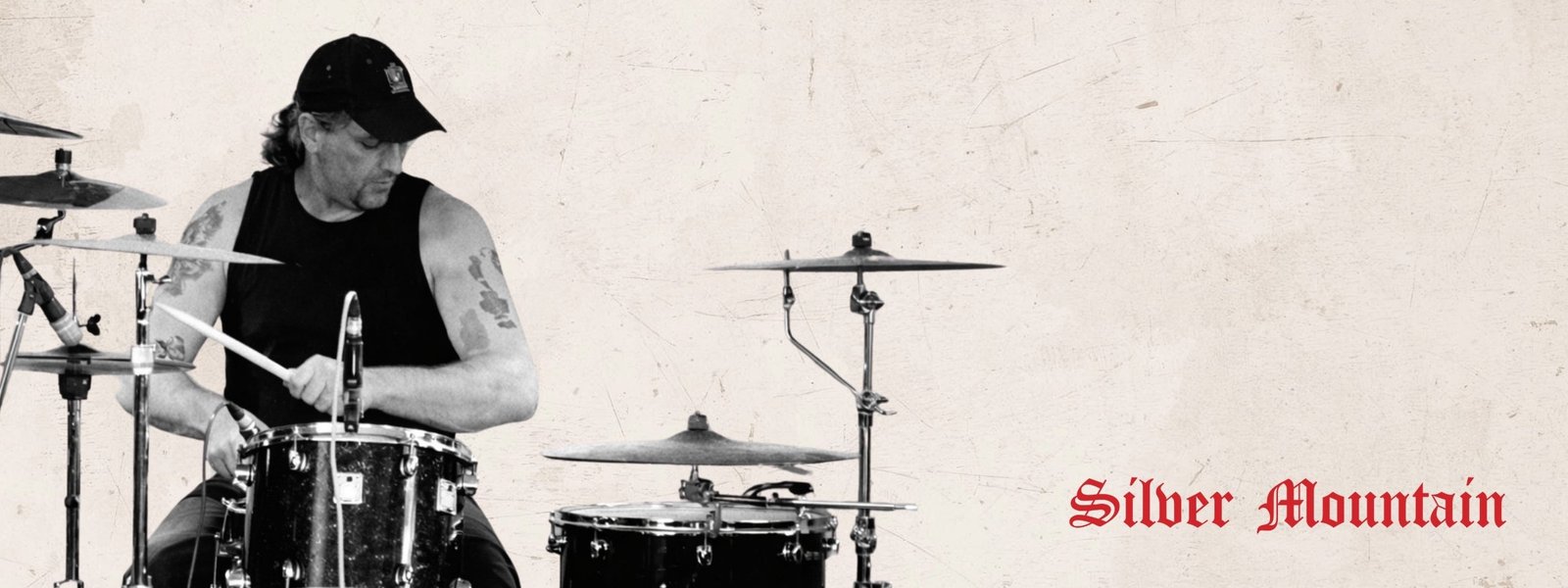
- Anders Johansson’s powerful drumming quickly became legendary.
- Jens Johansson’s keyboards evoked the grandeur of early Rainbow.
- Per Stadin’s versatile bass playing added depth and drive.
Ironically, the band’s incredible talent also led to its early fragmentation. Each member became highly sought after by other musicians and projects. The Johansson brothers soon joined the rapidly rising Rising Force, led by another Swedish guitar legend, Yngwie J. Malmsteen, and the core lineup of Silver Mountain began to dissolve.
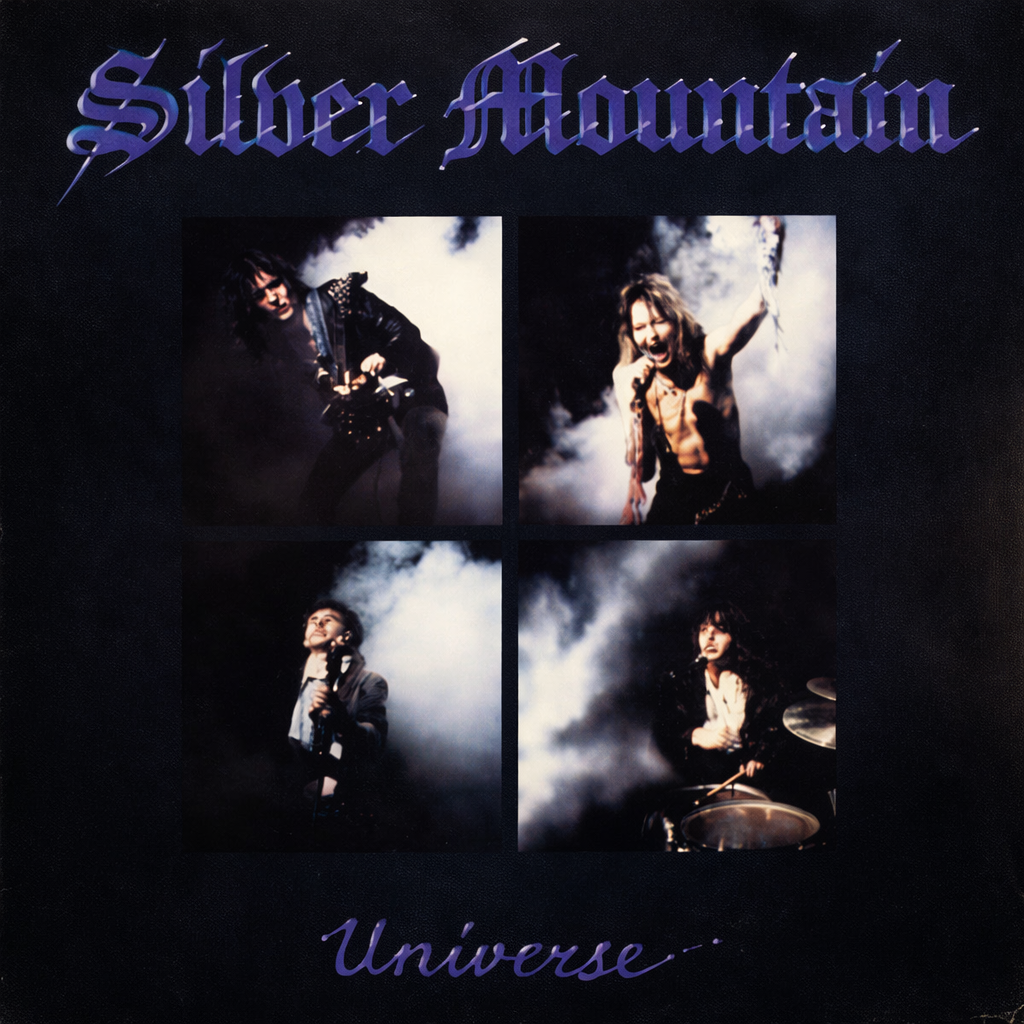
By the time the band released Universe in 1985, the Swedish metal scene had already begun shifting toward a new generation of bands — including Torch, Overdrive, Candlemass, and the internationally successful Europe. Later came acts such as Tad Morose, Morgana Lefay, Midnight Sun, Nocturnal Rites, and the wave of darker metal bands that followed.
Yet they all shared something in common:
- their path had been paved by the legacy of Silver Mountain.
- In 1988 the band released what would become their final album of that era, Roses & Champagne.
- As the years passed, the members of Silver Mountain continued to pursue successful musical careers.
- The Johansson brothers collaborated with and performed alongside internationally renowned artists including Ronnie James Dio, Ritchie Blackmore, Allan Holdsworth, Jonas Hellborg, Yngwie Malmsteen, Ginger Baker, and many others. Jens Johansson eventually became a key member of Stratovarius, while Anders Johansson would later join Sweden’s modern metal powerhouse HammerFall.
- Per Stadin pursued various musical projects, including his own band Snake Charmer, and worked with artists such as Glenn Hughes.
- Jonas Hansson released several impressive solo albums featuring musicians from bands like Alcatrazz, keeping the spirit of Silver Mountain alive. He also played a crucial role in bringing this new album to life — serving as writer, producer, musician, and even video director, producing and directing the video for the track “Prophet of Doom.”
The CD you now hold is not merely a tribute to the band — their reputation and accomplishments already speak for themselves.
Instead, it is a tribute to the fans.
Fans around the world who remember the days when heavy metal wasn’t divided into endless categories, when music was raw, powerful, and honest.
Each member of Silver Mountain took time away from their current projects to come together once again for both longtime followers and a new generation of listeners.
The result is a collection of new recordings of classic songs and rare early material originally written for the band’s first demo tapes. Recorded in Sweden, New York, and Los Angeles, this album reunites the legendary lineup and captures the same explosive spirit that made the band so influential in the first place.
These songs deliver thunderous riffs, soaring melodies, and the kind of electrifying energy that leaves you breathless — just as they did two decades ago. They remind us why nostalgia matters, while also reigniting our love for the glory days of heavy metal.
Yet this story is far from sentimental history. Every member of Silver Mountain remains an active force in music today.
The band has secured its place in rock history — a testament to the power, creativity, and influence of Swedish metal.
With the release of Breakin’ Chains, the journey of Silver Mountain comes full circle.
Long live rock ´n’ roll.
Long live Swedish metal.
Long live the legacy of Silver Mountain.
John Strednansky
April 2001
And there is more to come...
And there is more to come...
Silver Mountain Links: